Stroke Awareness in Wollongong: Know the Signs, Know Your Risk

National Stroke Week runs from 3 to 9 August 2026, and it exists for a simple reason: stroke is one of Australia's leading causes of death and disability, and recognising the signs quickly changes outcomes. Stroke awareness in Wollongong matters just as much as anywhere else. Knowing what to do in the moment, and understanding your own risk factors well before that moment arrives, are both things your GP can help with.
What Is a Stroke, and Why Does Speed Matter?
A stroke happens when blood supply to part of the brain is cut off or reduced, either by a blockage (ischaemic stroke) or a bleed (haemorrhagic stroke). Brain cells begin to die within minutes of losing blood flow, which is why the response to a suspected stroke needs to be immediate rather than a wait-and-see approach.
How Do You Recognise the Signs of a Stroke?
The Stroke Foundation's F.A.S.T. test is the easiest way to remember the key signs.
- Face — has their mouth drooped?
- Arms — can they lift both arms, or does one drift down?
- Speech — is their speech slurred, or can they understand you?
- Time — if you see any of these signs, call 000 straight away.
A stroke is always a medical emergency. It is not something to monitor overnight or bring up at the next GP appointment.
What If the Signs Pass Quickly?
Symptoms that resolve within minutes to hours can still indicate a transient ischaemic attack, sometimes called a mini-stroke. This is not something to dismiss because it went away. It is a strong warning sign and still requires urgent medical assessment, since it often precedes a more serious stroke.
What Increases Your Risk of Stroke?
Several risk factors are well established, and most are things a GP can help you monitor and manage over time:
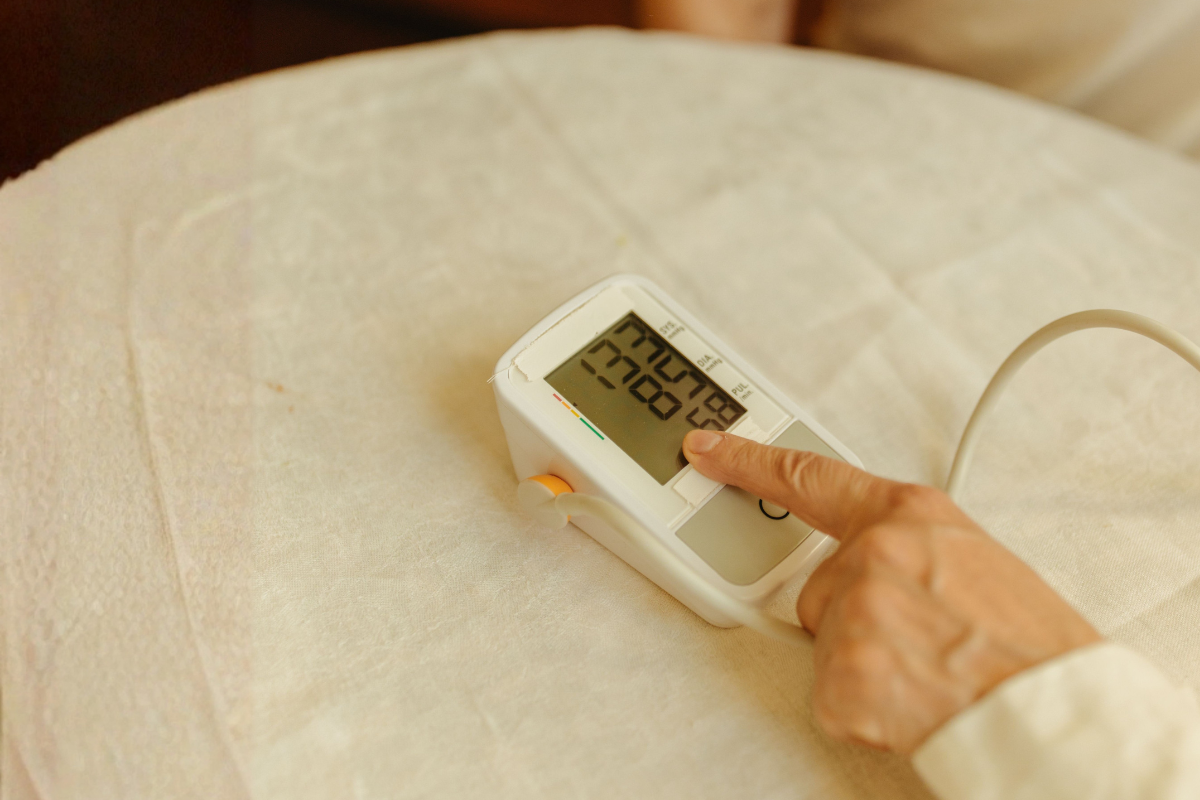
- High blood pressure, the single largest modifiable risk factor
- Atrial fibrillation and other irregular heart rhythms
- High cholesterol
- Type 2 diabetes
- Smoking
- Family history of stroke or cardiovascular disease
We covered cholesterol in more detail in our guide to what you need to know about cholesterol, which is one of the more manageable risk factors when it is caught early.
Can Stroke Be Prevented?
Not every stroke is preventable, but a meaningful proportion of stroke risk is linked to factors that respond to treatment and lifestyle change. Regular blood pressure checks, cholesterol monitoring, and management of conditions like atrial fibrillation and diabetes all reduce risk over time. This is part of why routine GP check-ups matter even when nothing feels wrong. Our post on preventive health checks and silent conditions goes into more detail on why symptom-free does not always mean risk-free.
When Should You See a GP About Stroke Risk?
If you have high blood pressure, a family history of stroke, atrial fibrillation, or you smoke, a conversation with your GP about stroke risk is worth having even outside of National Stroke Week. Risk assessment is straightforward and typically involves a blood pressure check, a blood test, and a conversation about your family and lifestyle history.
Booking a Stroke Risk Check at Crown West Medical
Crown West Medical GPs manage chronic and complex conditions, including the cardiovascular risk factors linked to stroke, as part of routine care.

Book your next visit at CWM
Book an Appointment Today - Take charge of your health and schedule a consultation with our medical team.
Recent Insights and Tips
Explore our latest articles on family health and wellness.